Introduction: Macro-Economic Context
As Southern Africa grapples with economic turbulence characterized by rising food prices and energy deficits, the spotlight now turns to the agriculture sector’s potential for growth and productivity enhancement. With South Africa leading the charge as the most developed market in the region, the pivot toward sustainable agriculture—a move increasingly echoed across its neighbors, including Angola, Namibia, and Botswana—could see significant financial architecture shifts, reorienting institutional investment flows in response to pressing agricultural needs.
The Strategic Problem
Despite its rich natural resources, Southern Africa faces considerable agricultural challenges. Current data reveals that the region's food import bill neared $14 billion in 2022 amid soaring inflation and food insecurity. This is compounded by an energy deficit that impacts agricultural productivity, with hydropower resources under strain. Simultaneously, export diversification remains imperative as global markets increasingly demand traceability and sustainability in food sources.
The Agropole Solution
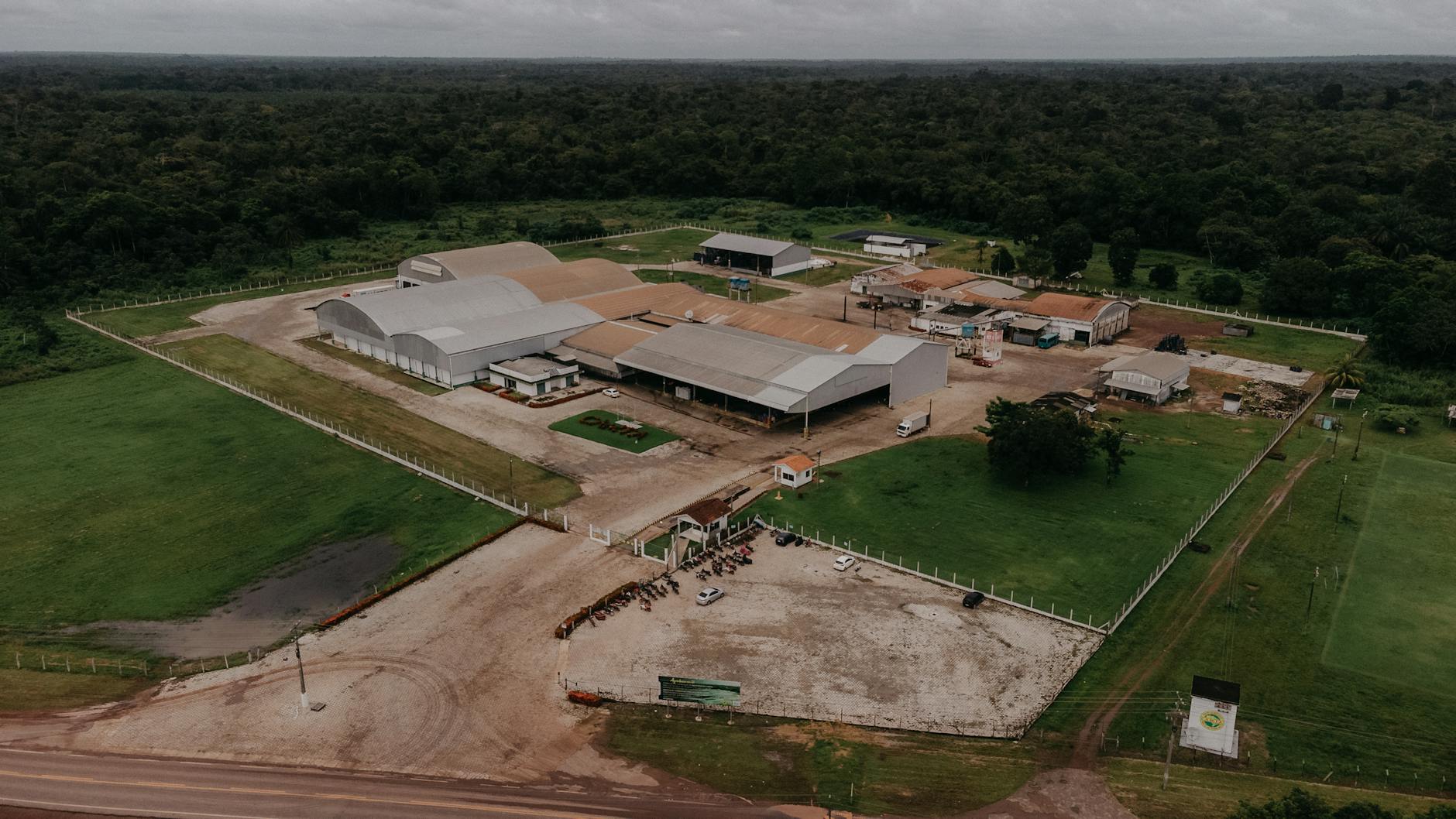
The Agropole model emerges as a multifaceted solution designed to address these pressing needs. By integrating agricultural capabilities with existing mining infrastructure, the model envisions transforming derelict mining sites into productive agricultural lands, leveraging synergies between sectors. This approach will not only mitigate food security issues but also create sustainable jobs and provide a robust framework for public-private partnerships (PPPs) that attract both local and international investment.
Institutional Alignment: A Legacy of Excellence
GEOTHERMIKI S.A., with a rich history dating back to 1984 and an ISO 9001 certification, embodies the principles of excellence in infrastructure and sustainable development. In the Democratic Republic of the Congo (DRC), recent metrics underscore the efficacy of the Agropole model: a $90.6 million investment has yielded 4,000 hectares of agricultural development, creating approximately 30,000 jobs, thus demonstrating the model’s viability.
Data Points: Key Figures and ROI Considerations
- Food Import Bill: $14 billion in 2022.
- DRC Investment Metrics: $90.6 million funding, 4,000 hectares developed, 30,000 jobs created.
- Projected ROI: Initial estimates suggest a ROI of 30% within the first five years of investment in the Agropole model.
- Investor Incentives: Tax incentives and subsidies available for PPPs in agricultural development.
Conclusion: Strategic Outlook and Call to Action
The future of agriculture in Southern Africa hinges on innovative solutions like the Agropole model. The synergy between the mining and agricultural sectors presents unparalleled opportunities for institutional investors seeking resilient returns and social impact. It is imperative for sovereign wealth funds and institutional investors to explore partnerships that capitalize on this agricultural pivot. Engaging with entities like GEOTHERMIKI Africa could mark a strategic entry point into this evolving landscape. Moreover, for a broader perspective on funding opportunities and developmental frameworks, refer to resources provided by the African Development Bank and World Bank. The time to act is now, as the convergence of economic necessity and investment opportunity shapes a new era for Southern Africa's agricultural sector.