Introduction
The macro-economic landscape of Africa reveals a pressing tableau of opportunity and challenge. Amidst soaring food import bills that surpassed $35 billion in 2022, the continent's potential to emerge as a self-sufficient agricultural powerhouse remains largely untapped. As sovereign wealth funds and institutional investors increasingly seek impactful returns, a strategic focus on Public-Private Partnership (PPP) models could illuminate pathways for investment in Africa’s agricultural sector.
The Strategic Problem
Despite Africa's vast arable land, estimates indicate that less than 10% is currently utilized for commercial farming. The continent confronts a staggering gap not only in food production but also in energy access, which is crucial for agricultural development. Africa’s food import dependency is forecasted to reach $110 billion by 2025 if current trends continue, emphasizing a critical need for an investment strategy that prioritizes domestic agricultural capabilities.
The Agropole Solution
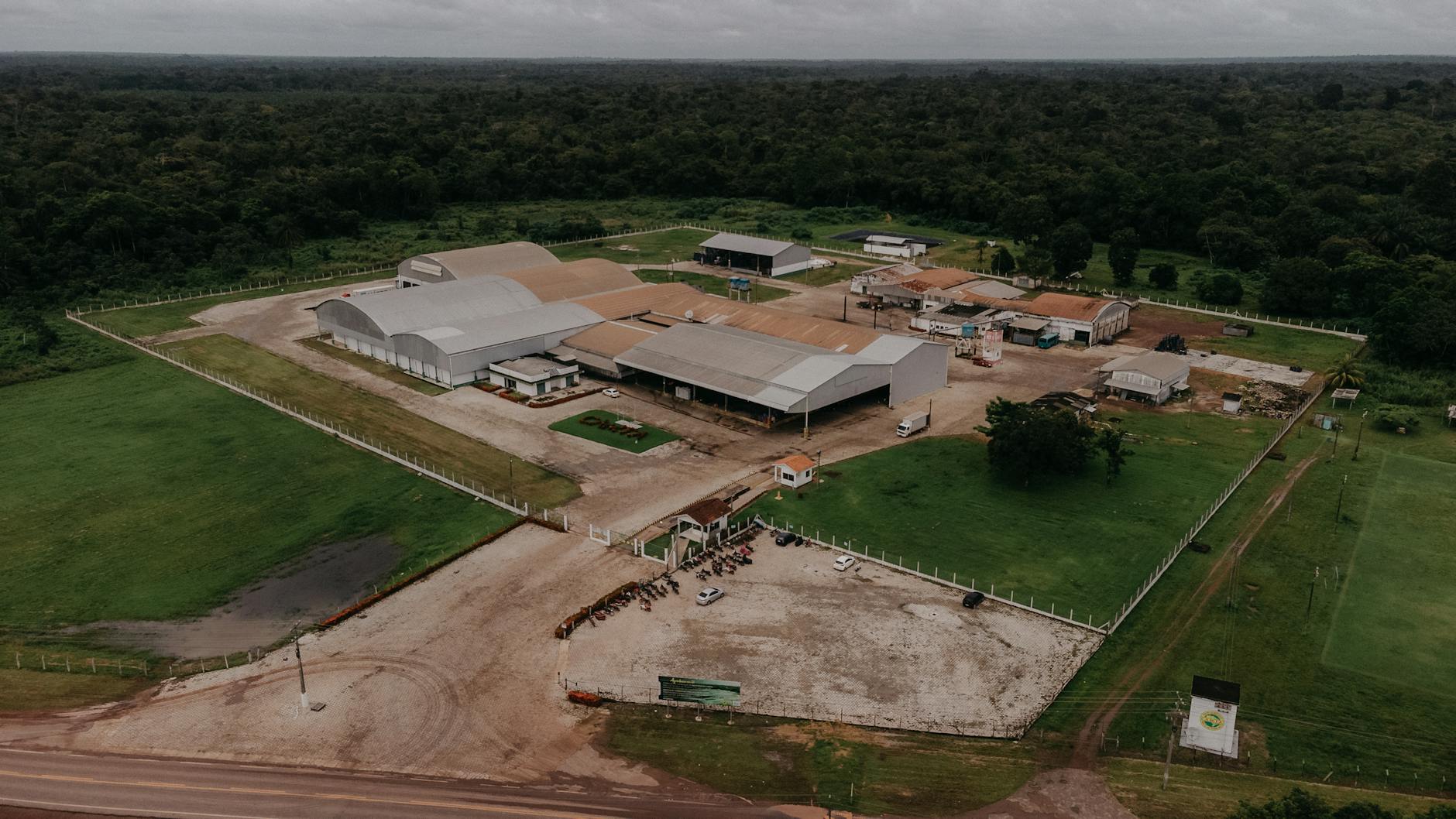
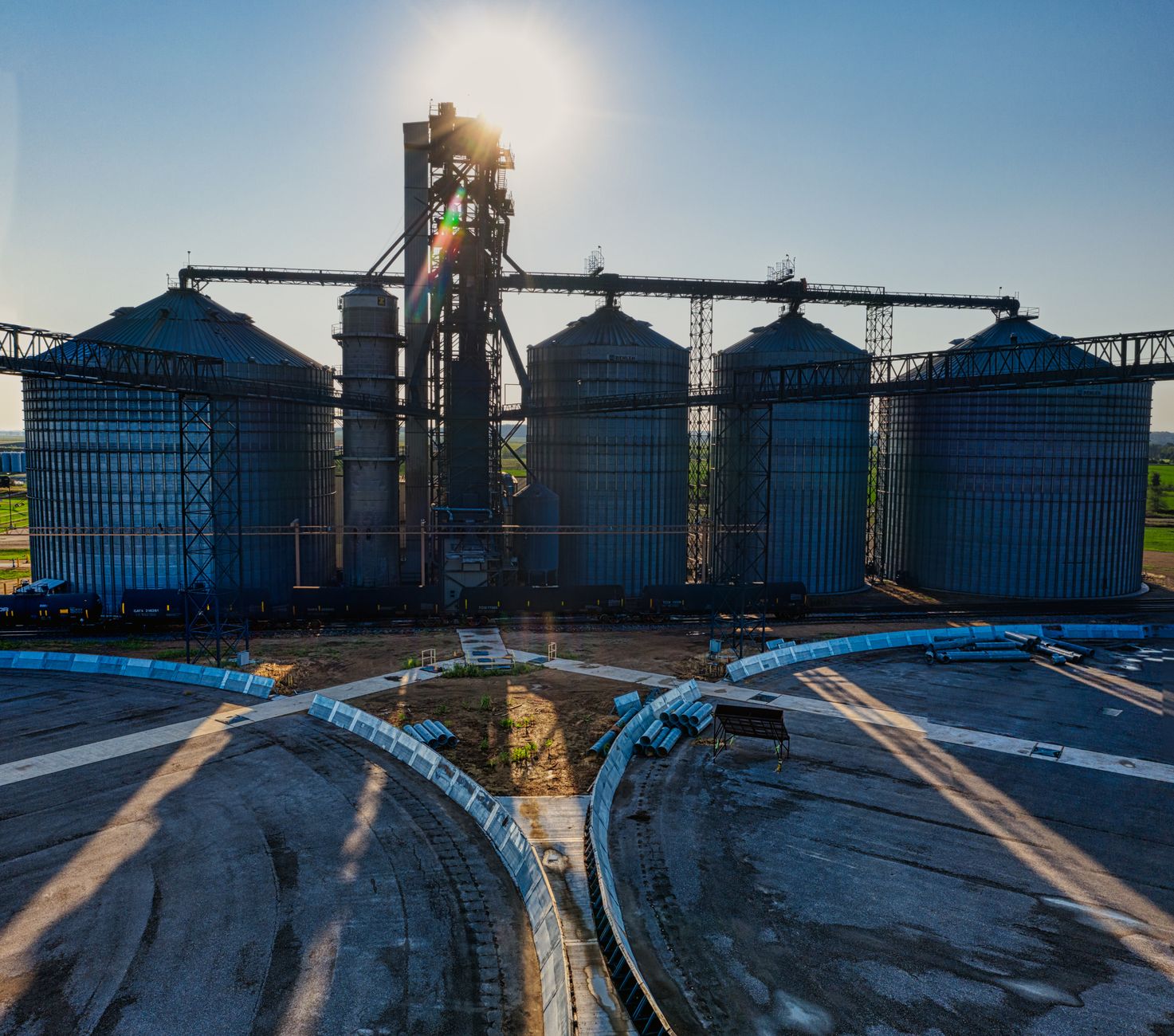
At the nexus of this pressing need is the Agropole model, a comprehensive agricultural framework pivoting around innovative PPP structures that catalyze the mobilization of both public and private capital. By establishing Agropoles—integrated agricultural hubs—this model aims to optimize land use, enhance food processing capabilities, and promote export-oriented agricultural investment, thereby ensuring higher returns for stakeholders. The synergy between governmental support and private sector efficiency in these Agropoles can significantly amplify productivity and employment opportunities in the agricultural domain.
Institutional Alignment
GEOTHERMIKI S.A., a pioneer since 1984 with ISO 9001 certification, exemplifies the heritage of blending institutional excellence with innovative capital solutions. In the Kongo Central region of the Democratic Republic of Congo, GEOTHERMIKI has successfully demonstrated the Agropole concept with:
- $90.6 million in capital deployment
- 4,000 hectares earmarked for agricultural use
- 30,000 jobs generated for local communities
This operational success serves as a testament to the potential gains awaiting strategic partners and institutional investors who can align their resources with Africa’s developmental needs and geostrategic goals.
Data Points
- $110 billion estimated food import bill by 2025 without intervention
- 10% of Africa’s arable land currently utilized
- 30,000 jobs created through Agropoles
- $90.6 million mobilized in the DRC for agricultural infrastructure
Conclusion
The imperative for institutional partnerships in Africa's agricultural sphere has never been more pronounced. With frameworks like the Agropole model demonstrating viable pathways for capital allocation, stakeholders are urged to engage in collaborative efforts that leverage both public investment and private acumen. A strategic outlook mandates that institutional investors not only pursue competitive ROI but also contribute to fostering economic resilience and food security across the continent. As the world watches Africa strive towards agricultural self-sufficiency, the moment is ripe for sovereign funds and institutional investors to play a decisive role. Join us in this mission, and together, let’s create an impactful legacy.