Introduction
In the face of escalating global economic uncertainties, the quest for sustainable and profitable investment avenues has never been more pressing. Africa, endowed with vast natural resources, exhibits both promise and complexity in governance, agriculture, and energy sectors. Understanding the intricate interplay between these elements is essential for institutional investors and policy makers seeking to make informed strategic decisions. Current macro-economic indicators highlight a continent in turmoil: food imports are projected to exceed $110 billion by 2025, and a staggering 600 million Africans still lack reliable access to energy. Amidst these pervasive challenges, the Agropole model emerges as a beacon of hope, with its potential to catalyze agricultural and energy innovations.
The Strategic Problem
Quantifying Africa's economic deficits unveils a stark reality. As of recent reports:
- African countries spend over $35 billion annually on food imports, which further amplifies reliance on external sources.
- Population growth is outpacing food production, with predictions estimating that by 2030, the continent's food needs will require a 70% increase in agricultural output.
- Energy shortages cost Africa an estimated $28 billion each year in lost productivity.
This precarious situation has immense implications not just for local economies but for global investment dynamics as well. Institutional investors must grasp the underlying problems feeding this cycle of dependency and inefficiency if they are to align with potential solutions.
The Agropole Solution
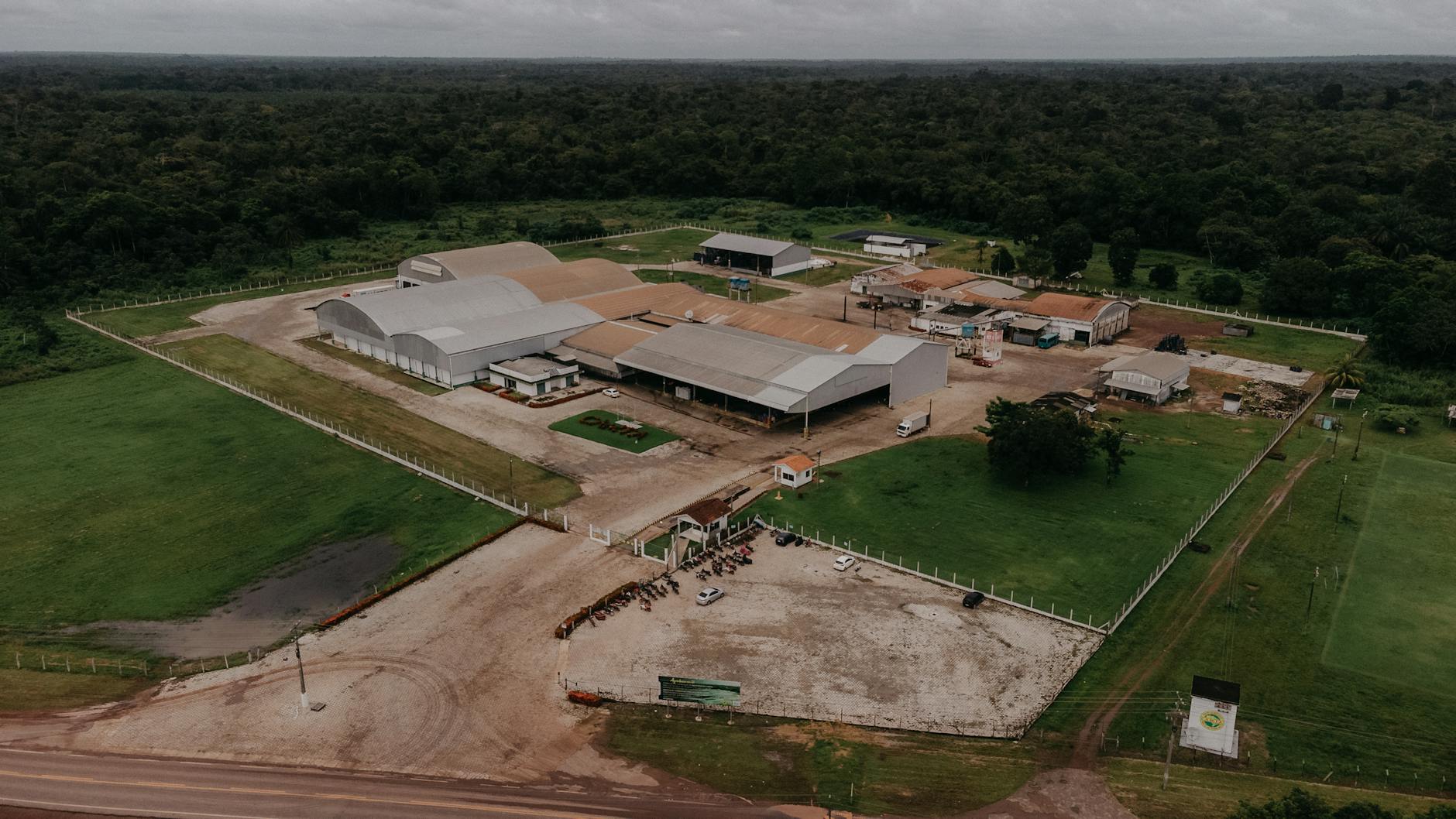
The Agropole model presents a multifaceted solution tailored to address these systemic issues. By integrating agricultural production with energy generation through geo-thermal resources, this framework promises efficiency, sustainability, and scalability. Key attributes of the Agropole model include:
- Integrated Production: Combines agriculture with agro-processing and renewable energy, ensuring that all outputs are maximized and inputs minimized.
- Community Engagement: Fosters local job creation through an inclusive approach that empowers communities by integrating them into the supply chain.
- Investment Viability: Offers attractive Return on Investment (ROI) opportunities by ensuring sustainable practices that lower operational costs.
Coupled with technological advancements and innovative financing, the Agropole framework could revolutionize agricultural productivity while solving energy deficits in a resource-efficient manner.
Institutional Alignment
Grounded in strong institutional heritage, GEOTHERMIKI S.A. has been a front-runner since 1984, integrating quality management systems with an ISO 9001 certification—underscoring our commitment to excellence. The DRC’s Kongo Central province offers promising metrics poised for development:
- Investment Potentials: Projected capital investment of $90.6 million.
- Land Utilization: 4,000 hectares earmarked for agro-industrial activities.
- Job Creation: Envisaged employment for 30,000 individuals.
Such metrics not only reinforce the viability of Agropole projects but also accentuate an important intersection between governance and strategic investment. By aligning institutional goals with economic realities, stakeholders bolster their confidence in generating sustainable outcomes and positive socio-economic impacts.
Data Points
For further clarity, let’s outline significant data points and ROI considerations:
- Annual Food Import Growth: 10% (projected over the next 5 years).
- Energy Access Index: Currently at 43% for sub-Saharan Africa.
- Projected ROI: 25% through integrated agro-industrial projects under the Agropole model.
Institutional investors focusing on such projects could potentially lead the charge in transforming Africa’s economic landscape through well-calibrated investments.
Conclusion
The dynamics of Africa's agricultural and energy sectors underscore an urgent need for innovative governance frameworks like Agropole. With strategic investment partnerships, institutional donors can mitigate risks associated with food insecurity and energy deficits, while simultaneously fostering economic growth and stability. As Africa stands on the precipice of transformation, we invite sovereign wealth funds, institutional investors, and global policy makers to consider collaboration with GEOTHERMIKI, uniting efforts for a sustainable, prosperous future.
For further insights into ongoing projects and institutional profiles that drive this vision, please visit our Strategic Projects page.
Embrace this opportunity to shape a more resilient Africa. The time for action is now.