Introduction
The macro-economic landscape in Africa presents a dual conundrum: an increasing reliance on food imports and a burgeoning energy deficit. As nations grapple with these pressing challenges, the convergence of EU research and innovation funding with African agro-industrial development emerges as a critical strategy. The implementation of Agropoles—a hub for agricultural innovation and productivity—garners attention as a feasible solution that promises substantial returns on investment and enhanced food security in the region.
The Strategic Problem
In 2022 alone, Africa imported $43 billion worth of food, underscoring the urgent need for localized agricultural solutions. Meanwhile, energy shortages hinder agricultural productivity, limiting the continent’s potential to become self-sufficient. The African Development Bank report highlights that nearly 600 million people in Africa lack access to reliable electricity, further complicating efforts to bolster food production and processing capabilities. This economic gap presents both a challenge and a lucrative opportunity for discerning investors.
The Agropole Solution
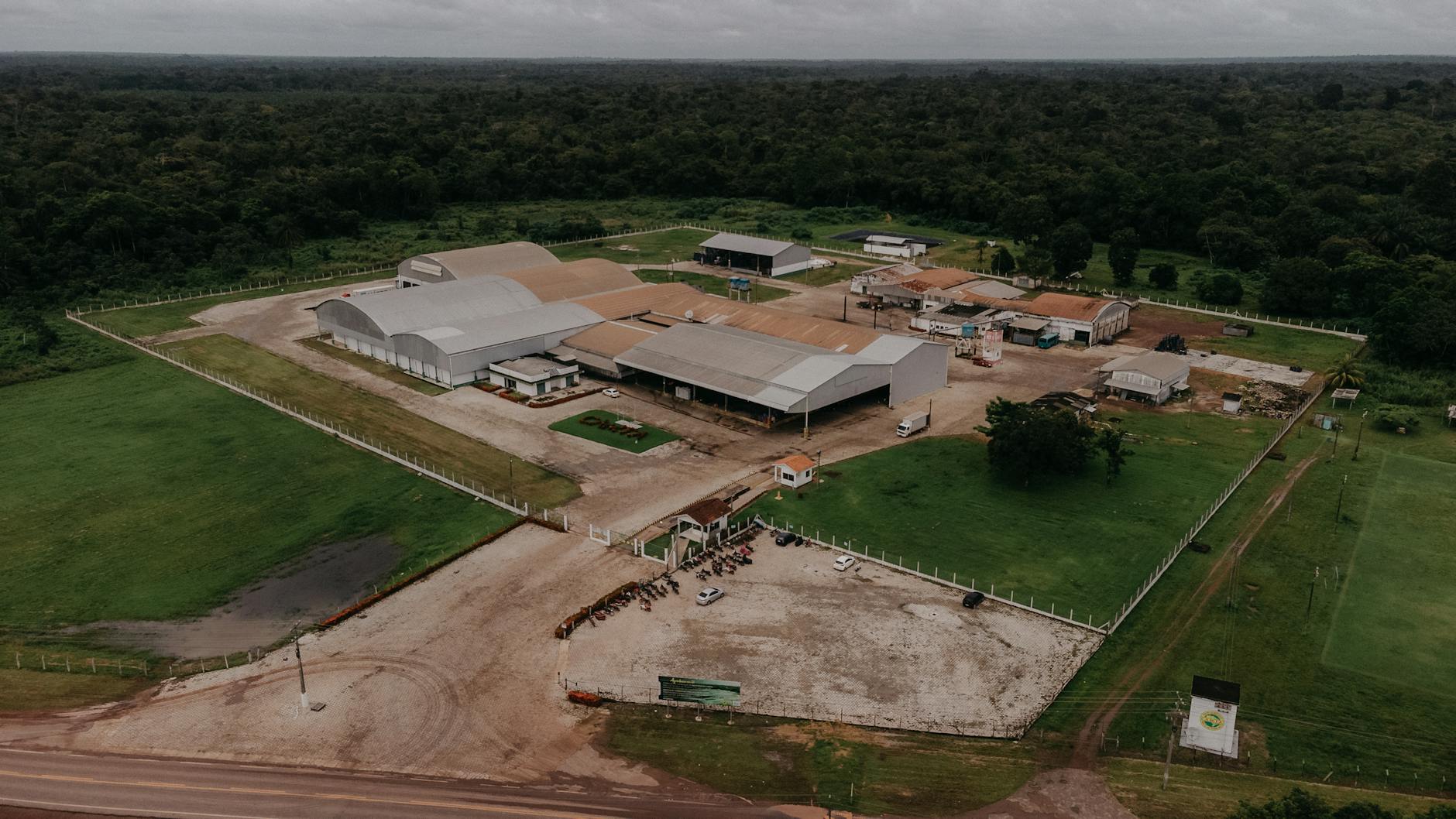
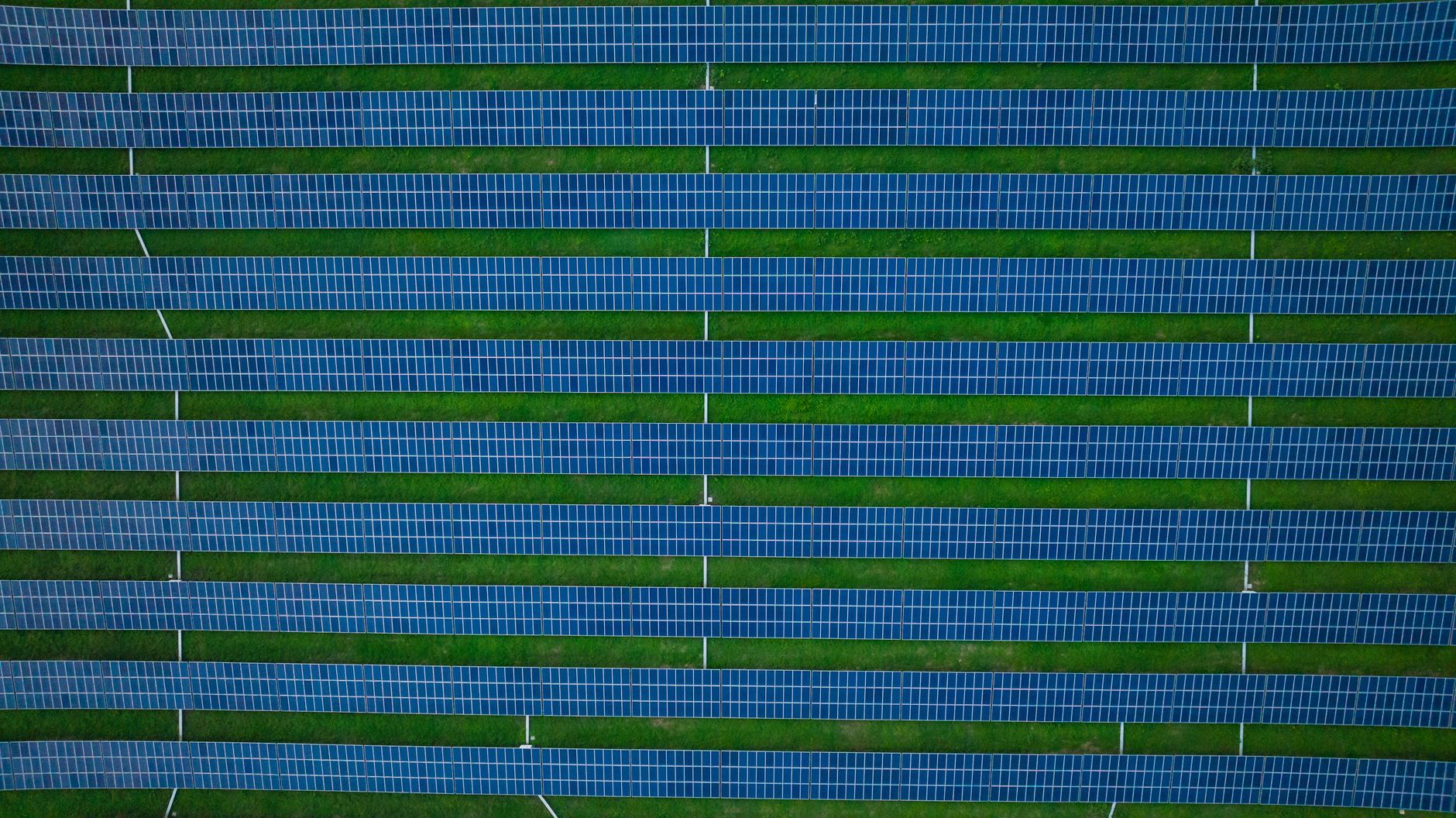
The Agropole model, particularly under initiatives supported by EU R&D programs like RoboInCop and IRISS, represents a paradigm shift in agricultural practices. These programs aim to integrate robotics and smart technologies into farming processes, ultimately enhancing productivity and efficiency. By focusing on the synergy between technology and agriculture, Agropoles can augment food output while also addressing energy challenges through renewable solutions.
The operational framework of an Agropole encompasses several synergistic elements:
- Technological Integration: Leveraging advancements in robotics and IoT for precision agriculture.
- Infrastructure Development: Establishing processing facilities that reduce food waste and enhance product quality.
- Job Creation: Aimed at generating employment opportunities—an estimated 30,000 jobs could materialize across strategic sites in the DRC alone.
Institutional Alignment
GEOTHERMIKI Africa, drawing upon the esteemed legacy of GEOTHERMIKI S.A. since 1984 and its ISO 9001 certification, stands at the forefront of promoting these Agropolis across the African continent. In the DRC's Kongo Central province, initial investments of $90.6 million are directed toward developing 4,000 hectares designated for agro-industrial use.
The potential economic impact is staggering—enhanced local food production could markedly decrease reliance on imports and stabilize food prices. When public-private partnerships (PPP) are effectively leveraged, they can catalyze such investments, positioning investors to garner significant returns while contributing to regional socio-economic development.
- ROI Considerations:
- Projected ROI of 15-20% annually based on improved efficiencies and market demand.
- Over 100,000 tons of crops expected to be produced annually from Agropole initiatives.
- A multiplier effect from job creation influencing local economies positively.
Conclusion
The integration of EU-funded R&D programs into Africa's agricultural sector through the Agropole model presents a unique investment proposition. Stakeholders—particularly sovereign wealth funds and institutional investors—are poised to capitalize on these developments. By aligning financial goals with regional developmental needs, they can create a win-win scenario.
Engagement is imperative. As we look to reshape the agricultural narrative in Africa, we encourage institutional partnerships to amplify the potential of Agropoles. Only through collaborative efforts can we turn these opportunities into a sustainable reality that addresses both economic and social imperatives for the continent.