Introduction
As global agricultural demand escalates, more than 800 million people face food insecurity, a stark reminder of the macroeconomic challenges that define our age. The agricultural sector in Africa is at a crossroads, with a pressing need to enhance productivity and integrate modern logistic frameworks. Now more than ever, institutional investors and sovereign wealth funds must consider the potential of agro-industrial parks—commonly referred to as agropoles—as a viable investment avenue to tap into agribusiness growth in a continent ripe with opportunities.
The Strategic Problem
The gap in agricultural production and import dependency in African nations is alarming. As much as 45% of food consumed in Sub-Saharan Africa is imported, which poses significant risks to food security and national economies. Countries are also grappling with an energy deficit, which impacts agricultural productivity and supply chain efficiencies. As policymakers formulate strategies to uplift the agricultural sector, investors find themselves seeking opportunities that align both with financial returns and long-term development goals.
The Agropole Solution
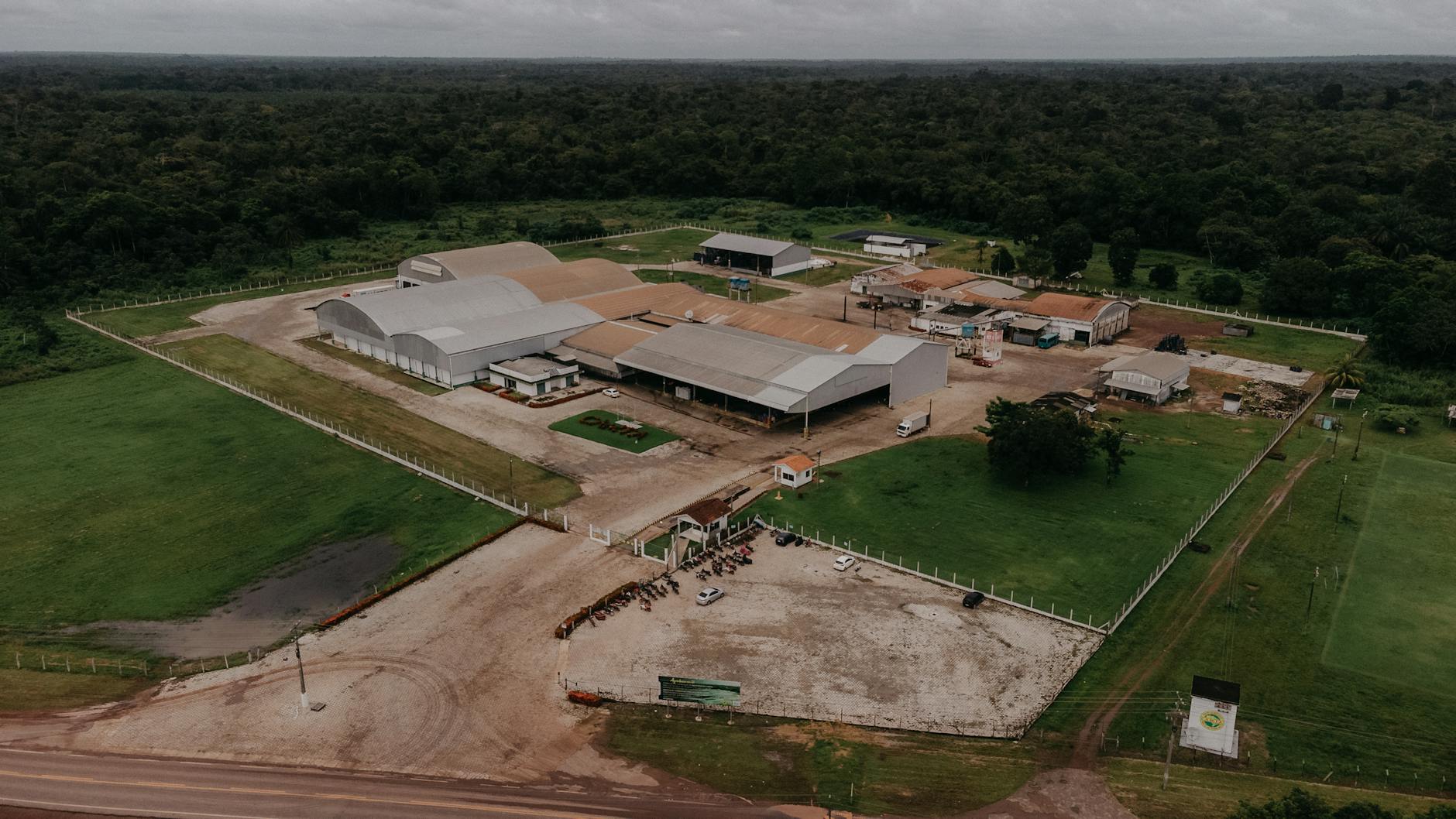
Agropoles serve as specialized agricultural zones that blend production, processing, and logistics infrastructures strategically tailored to local agricultural conditions. By consolidating these functions within agro-industrial parks, operational efficiencies are realized, driving down costs while maximizing output. These designated areas often take advantage of Public-Private Partnerships (PPPs) that discourage the fiscal burden on governments while encouraging private capital to drive development. This cooperative model is particularly pertinent in Africa, where government resources are often limited but require robust investment inputs for transformative agricultural practices.
Institutional Alignment
GEOTHERMIKI S.A., with a legacy stemming back to 1984 and boasting ISO 9001 certification, is synonymous with quality and leadership in sustainable development practices. The establishment of agricultural Special Economic Zones (SEZs) in the Democratic Republic of Congo's Kongo Central province is a case in point. There, GEOTHERMIKI's initiatives have been pivotal, showing:
- Funding Initiatives: $90.6 million in committed capital.
- Land Utilization: A sprawling 4,000 hectares dedicated to agricultural production.
- Job Creation: Approximately 30,000 new jobs, boosting local economies.
By leveraging strategic alliances with investment players, including sovereign wealth funds, GEOTHERMIKI aims to amplify the impact of agropoles while ensuring high ROI for stakeholders.
Data Points
- ROI Consideration: Expected ROI in agricultural investment zones typically ranges from 15-25% over a 5-10 year horizon.
- Market Growth: Africa's agribusiness sector is projected to reach $1 trillion by 2030.
- Private Sector Engagement: PPP structures have demonstrated a 40% increase in project success rates.
Conclusion
Investing in agro-industrial parks presents a significant opportunity to address immediate food security challenges while securing long-term returns. The synergistic relationship between public partners and private investors ranks highly on the strategic agenda of African governments. Institutions such as sovereign wealth funds and large-scale investors must evaluate the viability of these developments, particularly as they pertain to strategic outcomes such as job creation, rural development, and sustainability.
Call to Action: As we move into an era of heightened awareness about food systems and investment potential, it is imperative for stakeholders to consider partnership opportunities within agribusiness infrastructure. Learn more about our initiatives at GEOTHERMIKI Africa and explore how you can align with our mission for impactful investment.
For more details about our heritage and quality assurance, visit GEOTHERMIKI S.A. and the implications of African agricultural projects detailed by the African Development Bank.